Archives
- 2026-05
- 2026-04
- 2026-03
- 2026-02
- 2026-01
- 2025-12
- 2025-11
- 2025-10
- 2025-09
- 2025-03
- 2025-02
- 2025-01
- 2024-12
- 2024-11
- 2024-10
- 2024-09
- 2024-08
- 2024-07
- 2024-06
- 2024-05
- 2024-04
- 2024-03
- 2024-02
- 2024-01
- 2023-12
- 2023-11
- 2023-10
- 2023-09
- 2023-08
- 2023-06
- 2023-05
- 2023-04
- 2023-03
- 2023-02
- 2023-01
- 2022-12
- 2022-11
- 2022-10
- 2022-09
- 2022-08
- 2022-07
- 2022-06
- 2022-05
- 2022-04
- 2022-03
- 2022-02
- 2022-01
- 2021-12
- 2021-11
- 2021-10
- 2021-09
- 2021-08
- 2021-07
- 2021-06
- 2021-05
- 2021-04
- 2021-03
- 2021-02
- 2021-01
- 2020-12
- 2020-11
- 2020-10
- 2020-09
- 2020-08
- 2020-07
- 2020-06
- 2020-05
- 2020-04
- 2020-03
- 2020-02
- 2020-01
- 2019-12
- 2019-11
- 2019-10
- 2019-09
- 2019-08
- 2018-07
-
Introduction Fish commonly employ pheromones to
2020-05-11
Introduction Fish commonly employ pheromones to regulate a variety of functions including reproductive communication [1]. Reproductive pheromones induce both primer effects, such as changes in the endocrine or physiological state of conspecifics, and releaser effects such as rapid behavioral respon
-
br Introduction Detection of driver
2020-05-11
Introduction Detection of driver mutations in patients with advanced non-small cell lung cancer (NSCLC) is critical because they receive great benefit from kinase inhibitors [[1], [2], [3], [4]]. However, it is often difficult to obtain tumor tissue in advanced NSCLC patients. Cell-free DNA (cfDN
-
Zerumbone Gene expression profiling with corresponding clini
2020-05-11
Gene Zerumbone profiling with corresponding clinical data supported the notion that increased expression of S1PR1 in DLBCL was associated with poor outcome [159], [160], [161]. These studies also identified increased expression of the GPCRs GPR183, CCR7, ADRB2 and CNR2 as risk factors for poor outc
-
The overall shape of p iSH is dramatically
2020-05-11
The overall shape of p110α/iSH2 is dramatically different from DGKB or SK1, instead of forming a homodimer, p110α/iSH2 heterodimer has a triangular shape with iSH2 laying on the top and ABD, RBD, helical and kinase domain of p110α sitting in the bottom (Fig. 2B) (Gabelli et al., 2010; Huang et al.,
-
Cultured cells or mouse lung tissues were harvested and
2020-05-11

Cultured cells or mouse lung tissues were harvested and lysed in Radio-Immunoprecipitation Assay (RIPA) buffer (0.05 mol/l Tris–HCl pH 7.4, 0.15 mol/l NaCl, 0.25% deoxycholic acid, 1% NP-40, 1 mmol/l ethylenediamine tetraacetic Fosmidomycin sodium salt (EDTA), 1 mmol/l phenylmethylsulfonyl fuoride
-
br Cytokine profile in MPN Results from experimental investi
2020-05-11
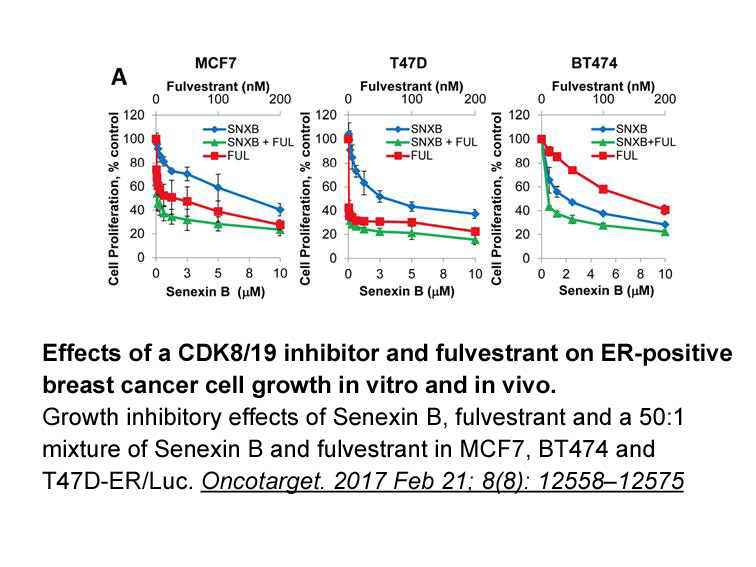
Cytokine profile in MPN: Results from experimental investigation Cytokines are small molecules constituted by proteins or glycoproteins, which regulate the immune cell function and the immune system. They are secreted mainly by immune ML-291 but also by other cells such as epithelial cells in re
-
Previously we have shown that complexes
2020-05-11
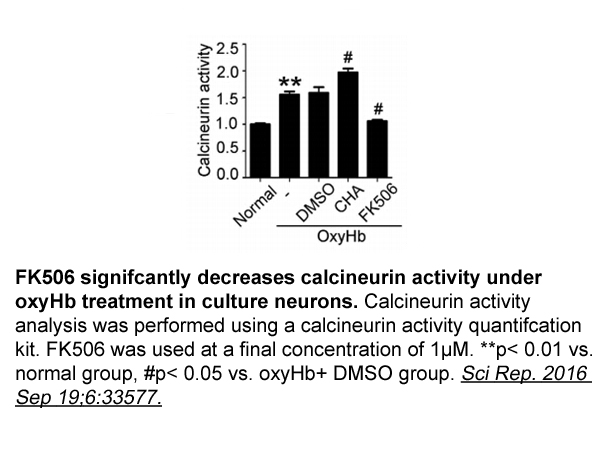
Previously, we have shown that complexes of protein PKs with inhibitors that comprised sulfur or selenium atoms in aromatic structures were phosphorescent at room temperature, while the long-lifetime signal emitted by the free inhibitor was negligible.34, 35, 36 This phenomenon was caused by stabili
-
A previous study reported that it is unlikely that silkworm
2020-05-11
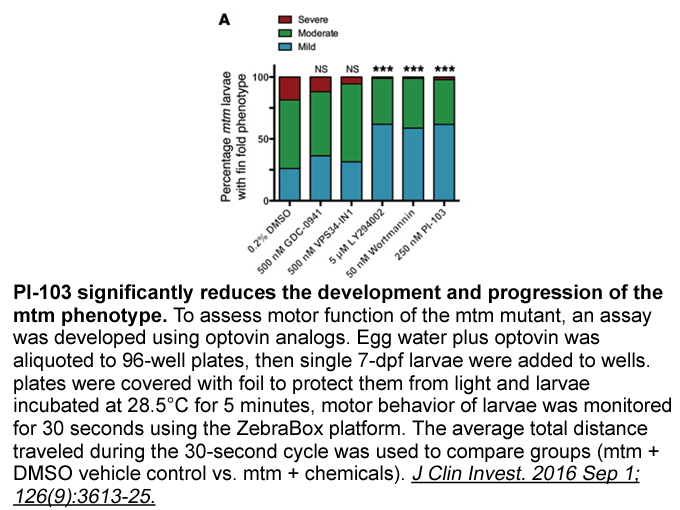
A previous study reported that it is unlikely that silkworm mounts a general type of immune response to all viruses (Liu et al., 2015). It is not clear whether there is a common pattern of host regulation for silkworm viruses. Spry is a general inhibitor of receptor tyrosine kinases (RTKs), which is
-
In our former work our interest was in discovery of
2020-05-11
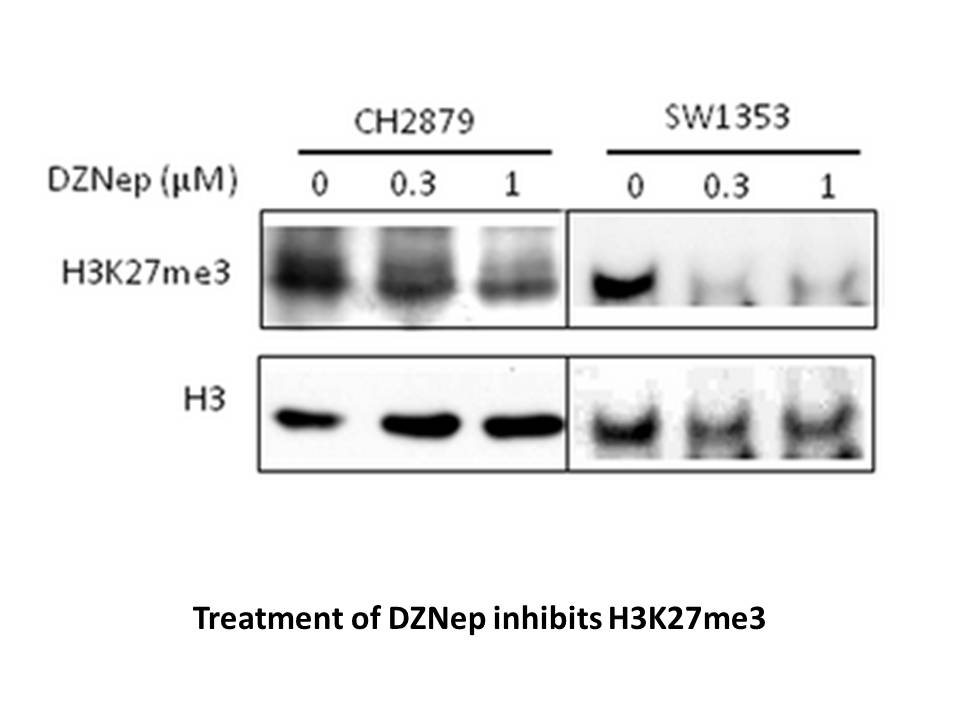
In our former work, our interest was in discovery of novel VEGFR-2 inhibitors as anti-angiogenesis agents. Along this line, with natural alkaloid taspine as the lead compound, rounds of structure optimization were performed to develop novel VEGFR-2 inhibitors [[13], [14], [15]]. Among them, BPS-7, b
-
The compounds listed in Table
2020-05-11
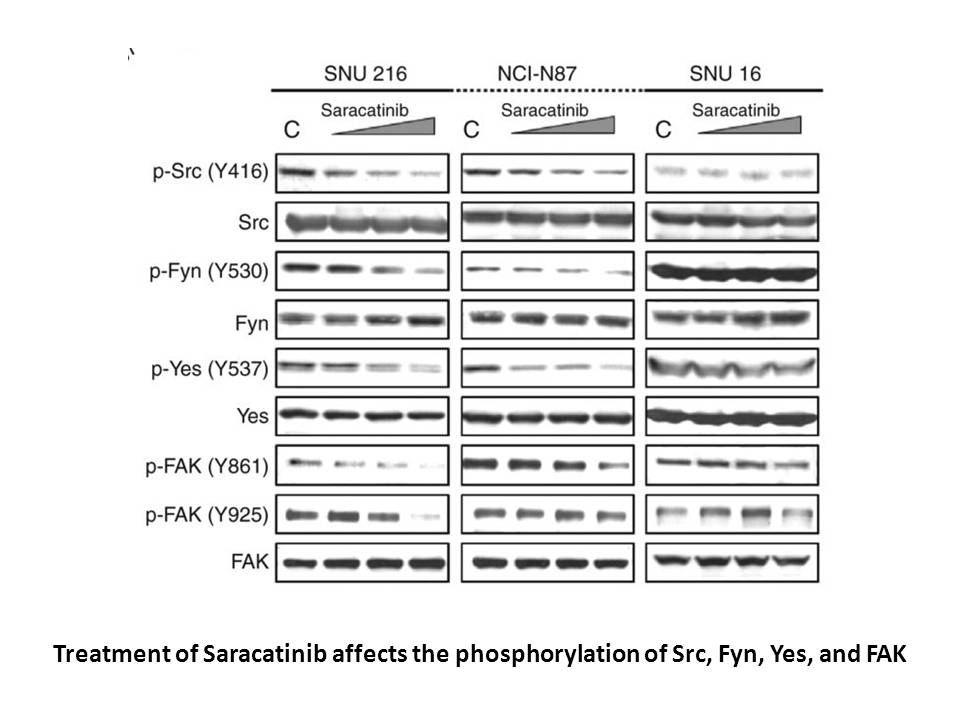
The compounds listed in Table 1, Table 2, Table 3, Table 4, Table 5 were biologically evaluated for their inhibition of the specific binding of a radiolabeled ligand [3H]PGE2 to membrane fractions prepared from cells stably expressing each mouse prostanoid receptor. The EP1 antagonist activity of th
-
Covalent inhibitors are well suited for
2020-05-09
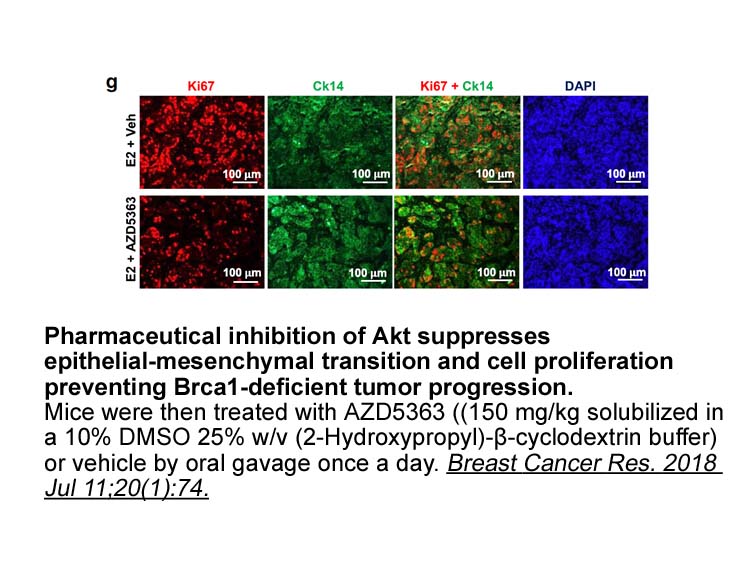
Covalent inhibitors are well suited for targeting the E1 Nile Red mg of Ubl modifications. Because the E1 enzymes in Ubl modifications, such as the SUMO E1 and Atg7, have a slow turnover rate (Boggio et al., 2004), prolonged inhibition can be achieved without requiring compounds to be stable in cir
-
ziprasidone hcl The inhibition of mRFP Ub E formation by
2020-05-09
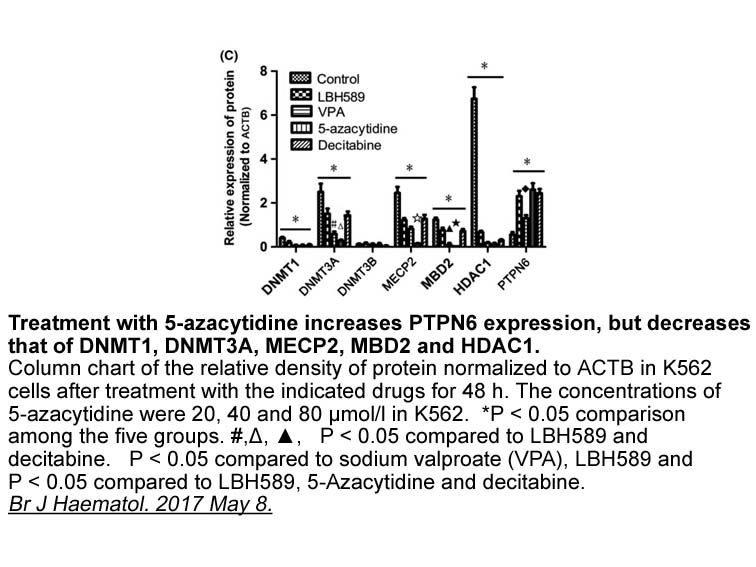
The inhibition of mRFP-Ub–E1 formation by ginsenosides Re was not in time-dependent in vitro (Fig. 4B). Fifty micrometres ginsenoside Rg1 decreased E1 activity to 0.24- to 0.36-fold over 30min. This finding suggests that ginsenoside Rg1 may irreversibly inhibit mRFP-Ub–E1 formation or a tight-bindin
-
phloridzin br Conclusions In this paper we describe the reco
2020-05-09
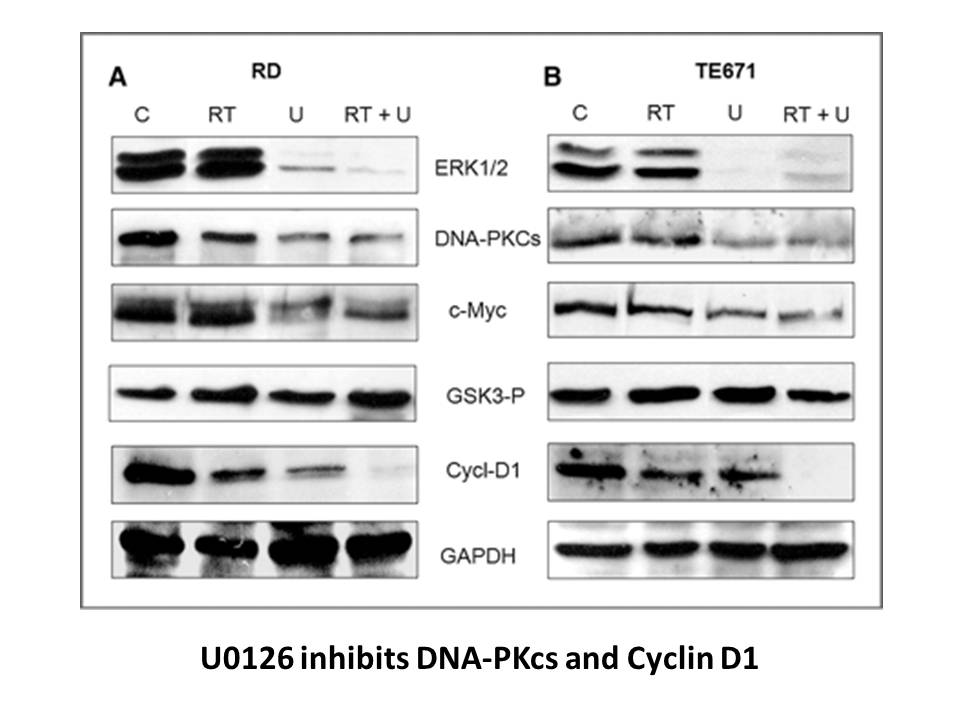
Conclusions In this paper we describe the recombinant expression and characterization of ParI, a C5-DNA-MTase from P. arcticus 273–4. To our knowledge, this is the first characterization of an orphan C5-DNA-MTase from a psychrophilic bacterium. The C5-DNA-MTase could not be expressed in regular E
-
The larger eukaryotic ligases such
2020-05-09
The larger eukaryotic ligases, such as LigI and LigIV, also possess an additional N-terminal DNA-binding domain (DBD) that is required for efficient ligation (Fig. 1c) and enables these ligases to encircle DNA [17]. An equivalent helix–hairpin–helix domain is also present in the bacterial NAD-depend
-
DGK negatively regulated the extension of long axon neurite
2020-05-09

DGKδ negatively regulated the extension of long axon/neurite (Fig. 4, Fig. 5, Fig. 6). The results strongly suggest that deficiency of DGKδ induces OCD-like behavior by enhancing axon/neurite outgrowth. DGKδ positively regulates growth factor signaling (Crotty et al., 2006). Therefore, DGKδ deficien
14443 records 836/963 page Previous Next First page 上5页 836837838839840 下5页 Last page